Keeping the outside of any building clean is key to curb appeal, preventing organic growth and the structure itself. For homeowners, property managers and business owners, it’s important to know the best cleaning method for their building’s facade. Two of the most debated methods for cleaning outdoor surfaces are pressure washing and soft washing. Both work in certain situations, but choosing the right one will prevent damage and keep your building’s outside surface clean and intact.
See alsoThe Pros and Cons of Hiring a Professional Window Cleaner
damage to surfaces sources glass surfaces sources pristine surfaces sources surface tension sources tough surfaces sources heated water sources -->
Pressure Washing
Pressure washing, also known as power washing, is a popular exterior cleaning method that uses high-pressure water to remove dirt, debris, and organic matter from building exteriors. This is often used for cleaning stubborn stains, stubborn dirt, and grime from surfaces like concrete driveways, brick walls, stone pathways, and facade cleaning services.
How It Works: A pressure washer uses a stream of high pressure water which can be enhanced by using hot water for even better results. The amount of water pressure used is crucial in determining the cleaning power. High pressure water is great for removing deep seated dirt and organic matter but can cause water damage if not used correctly.
Best Applications: Pressure washing is good for tougher surfaces like concrete tiles, vinyl siding and oil stained driveways. It’s a good method for commercial buildings that get more wear and tear like commercial property on busy streets where dirt and grime accumulates fast.
Benefits: The immediate and visible difference is one of the biggest advantages of pressure washing services. It improves the curb appeal of any building by removing years of dirt, algae and moss growth. Pressure washing is also good for cleaning surfaces like glass surfaces, roof shingles and outdoor furniture so a clean facade.
Risks: Despite the advantages there is a big risk of damage when using too much pressure. Delicate surfaces like wood panel siding, asphalt shingles and fragile materials can be damaged by the intense force of the high pressure water stream. Also note that pressure washing technique should be tailored to the type of stains and surface dirt being removed, incorrect methods can cause structural damage.
Soft Washing
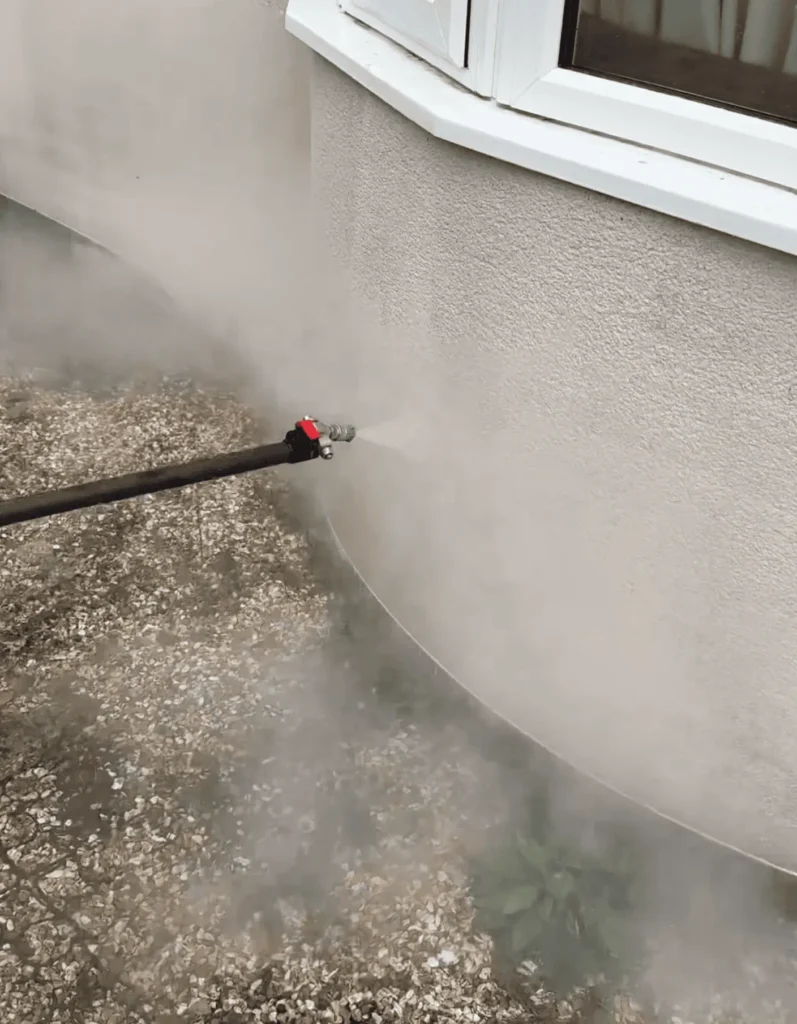
Unlike pressure washing, soft washing uses a gentle approach that combines low pressure water with a cleaning solution to clean delicate surfaces. This method is for surfaces that can’t handle high pressure water but still need to be cleaned.
How It Works: Soft washing uses soft washing equipment like special low-pressure nozzles to apply the cleaning solution to the surface. The solution is usually eco-friendly cleaning solutions that break down dirt, grime, and organic growth, such as algae and mould. Unlike pressure washing, which relies on force, soft washing lets the chemical solution do most of the work.
Best Applications: Soft wash systems are the best for delicate surfaces like roof shingles, wood panel siding and vinyl siding. It’s also good for surfaces that are prone to premature deterioration from harsh cleaning methods like porous materials and fragile surfaces.
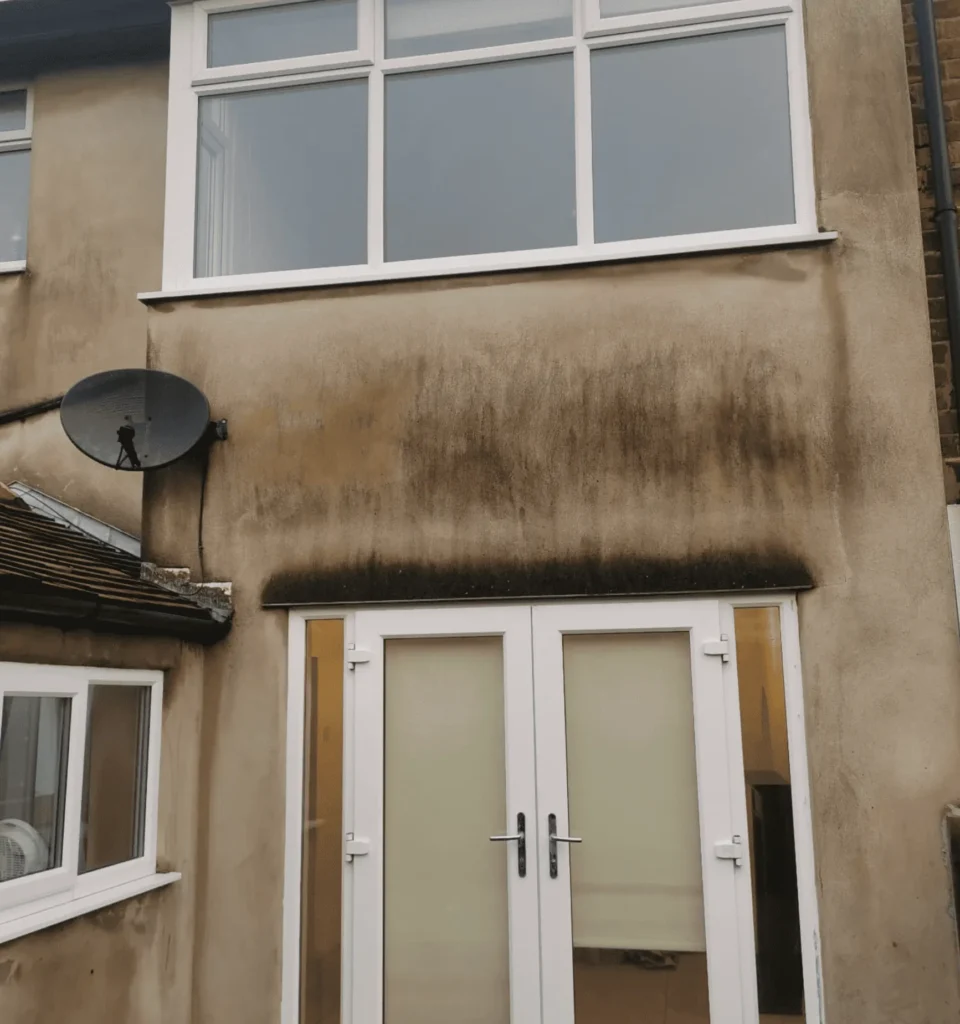
Benefits: The biggest benefit of soft washing is it eliminates the risk of damage to fragile materials. It’s gentle on surfaces but still gives long lasting results. It also addresses the root cause of many surface issues like organic stains from algae or moss growth and helps protect surfaces from future regrowth.
Risks: While soft washing is generally safer for delicate surfaces, it may not be as effective in removing tough dirt or stubborn stains from harder surfaces. Improper use of cleaning chemicals or the wrong cleaning solution mixture can also cause issues like excessive run-off or environmental harm, especially in sensitive areas like pools or gardens.
The main difference between pressure washing and soft washing is the amount of pressure used during the cleaning process. Pressure washing uses intense pressure to remove dirt and stains while soft washing uses a chemical approach with low pressure water.
Surface Type: For tougher surfaces like concrete driveways, natural stone facades or vinyl tiles, pressure washing is the way to go. For more delicate materials like roof tiles, roof shingles or wood panel siding, soft washing is the better choice.
Risk of Damage: The risk of damage is higher with pressure washing due to the high pressure water stream. Soft washing minimizes this risk by using low pressure water and cleaning solution mixtures to clean the surface.
Effectiveness: Pressure washing is better at removing deep seated dirt, tough stains and stubborn oil stains from harder surfaces. Soft washing systems are better for cleaning organic growth and maintaining fragile surfaces.
Environmental Considerations: Soft washing uses biodegradable chemicals and eco friendly cleaning solutions so it’s a more environmentally responsible option. But both methods should be applied carefully to avoid negative impacts like water damage or excessive run off.
Long TermMaintenance: Regular facade cleaning is important to maintain the look of a building and the life of its materials. For buildings that need regular cleaning, alternating between pressure washing and soft washing may be the way to go depending on the cleaning project and the surface material.
Which Cleaning Method for Your Building
When choosing the right cleaning method for your property, you need to consider the type of exterior surface, the amount of dirt and the cleaning requirements. If you have surfaces like concrete driveways, vinyl siding or commercial buildings, pressure washing might be the way to go. For more delicate surfaces or materials that can be damaged, such as roofing materials or asphalt shingles, soft washing is a gentle wash that cleans without water damage.
If you’re a property manager or homeowner looking for long term results hire a professional cleaning contractor to assess what’s best for you. A Pressure Washing Service or soft wash cleaning company can give you advice on how to keep your surfaces clean and damage free.
FAQ
What’s the difference between soft washing and pressure washing?
The main difference is the pressure. Pressure washing uses high pressure to remove tough stains from outdoor surfaces. Soft washing uses low pressure and a cleaning solution for delicate surfaces.
Can pressure washing damage surfaces?
Yes, too much water pressure on fragile surfaces like roof shingles, wood panel siding and vinyl siding can cause damage. Use the right method for each surface.
What are the benefits of soft washing?
Soft washing is safer for delicate surfaces, reduces damage, removes organic growth like mold and algae. Long lasting results by preventing regrowth.
Is pressure washing good for commercial properties?
Pressure washing is used for commercial buildings with durable materials like stone pathways or concrete tiles. Soft washing systems may be needed for areas with delicate materials or tough stains.
How often should I clean my building’s exterior?
How often it happens depends on the level of dirt and environmental factors like weather and foot traffic. Once or twice a year will keep it looking good and prevent premature wear.