
Pressure washers are the most powerful and easiest way to clean your home’s exterior surfaces, from siding and decks to driveways and patios. When used correctly, they can remove built-up dirt, grime, and even tough stains quickly and easily. However, using them incorrectly or with the wrong water pressure can damage delicate surfaces or cause structural damage. Whether you’re cleaning outdoor furniture, concrete surfaces or your home’s siding, the right pressure settings and nozzle tips are key.
In this guide, we’ll cover how to safely use pressure washers on different surfaces, how to adjust pressure levels and pressure washing tips to avoid damage and get the best results. We’ll also cover when to hire a professional pressure washing service for tougher jobs or delicate areas like asphalt shingles or commercial buildings.
Pressure Washing
Pressure washers work by using high pressure water to blast away dirt and debris. The amount of force is determined by the PSI (pounds per square inch) and GPM (gallons per minute). The combination of these two factors is the cleaning power. Gas powered pressure washers have higher PSI so are best for concrete surfaces and other hard surfaces. Electric pressure washers are better for delicate surfaces like wood siding or outdoor furniture.
Before you start any pressure washing project, you need to know the different types of pressure washers, water pressure settings and nozzle tips. For example:
- 15-degree nozzle: For tougher stains and surfaces like concrete and brick.
- 25-degree nozzle: For general cleaning and larger surface areas like house exteriors and driveways.
- 40-degree nozzle: For delicate surfaces like outdoor furniture or vehicles.
- Low-pressure detergent nozzle: This is for applying cleaning solutions before washing.
Adjust the pressure settings according to the surface you’re cleaning to avoid unnecessary surface damage and structural damage to your home.
Pressure Washing Siding: Vinyl, Brick and Wood
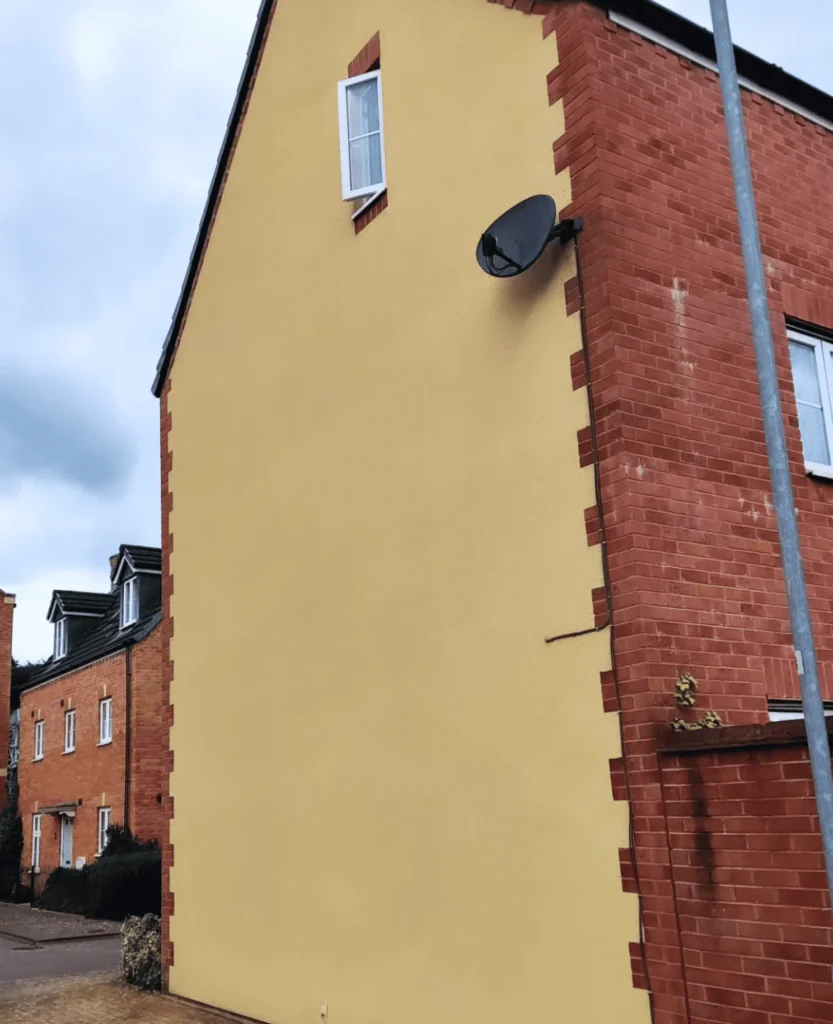
One of the most common uses of pressure washers is to clean home siding. But different materials require different pressure, nozzle tips and care to avoid damage.
Vinyl Siding
Vinyl siding is fairly durable but can crack or warp if exposed to too much water pressure. To clean vinyl siding safely:
- Use a 25-degree nozzle to make sure the water stream is wide enough to avoid concentrated pressure.
- Keep the PSI between 1300-1600.
- Keep 3-4 feet away from the surface and start at the bottom and work up to avoid streaking.
- Inspect the siding for cracks or damage that could get worse with high-pressure water.
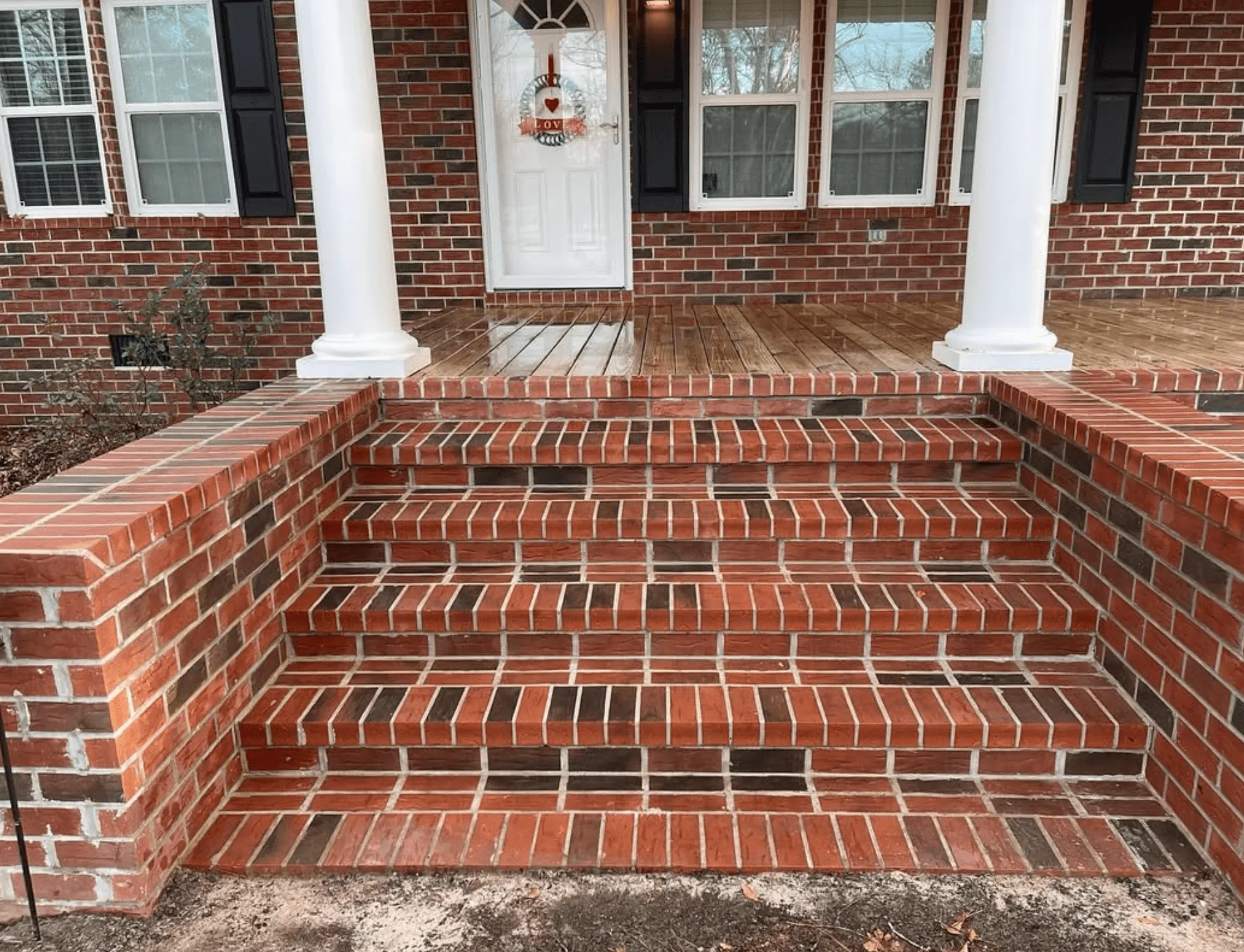
Brick Surfaces
Bricks are tough, but the mortar between them can be damaged if you’re not careful. Too much pressure can wear away the mortar. Here’s how to clean brick safely:
- Set the PSI to 500-1000, depending on how dirty the surface is.
- Don’t spray directly into the mortar lines. They are more prone to damage.
- Use a 40-degree nozzle.
Wood siding is delicate and requires extra care to avoid surface damage or removing the paint. If the pressure is too high, you can gouge the wood or cause it to splinter. Here’s how to pressure-wash wood safely:
- Keep the PSI at 500-800.
- Use a 40-degree nozzle or a low-pressure soap nozzle.
- Test a small area first to make sure the pressure setting is safe for the material.
- Don’t wash wood siding in direct sunlight. The water will evaporate too quickly and leave streaks.
Decks, Patios and Outdoor Furniture
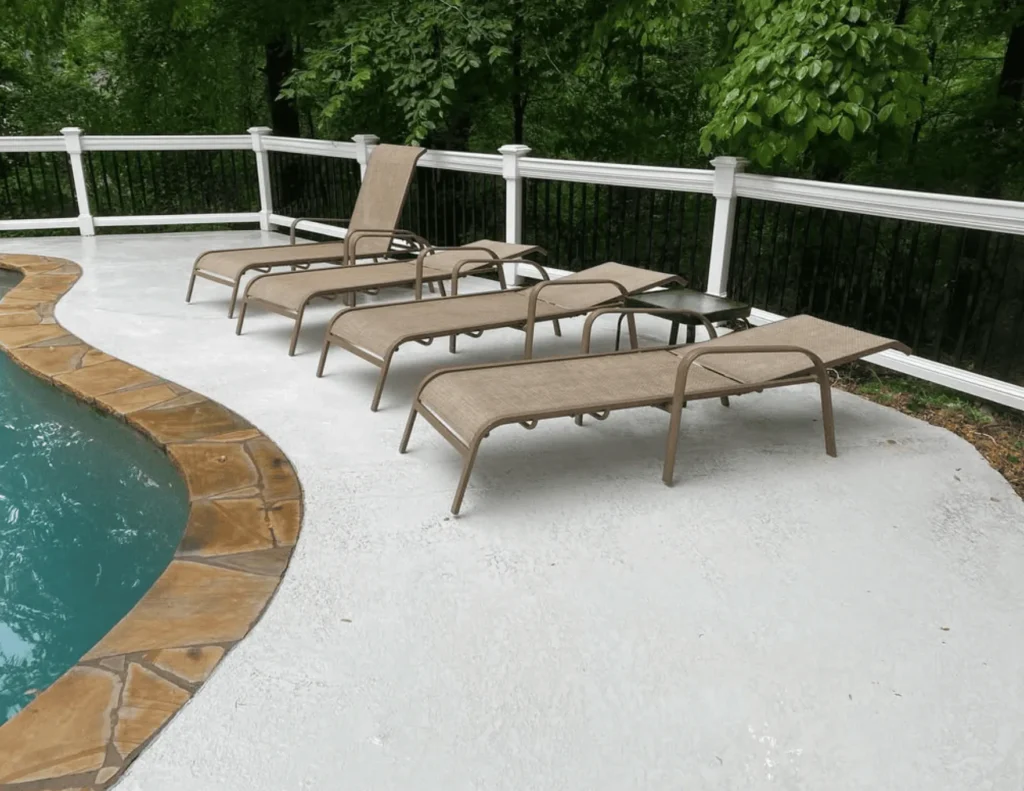
Decks and outdoor furniture can accumulate dirt, mildew and stains from the elements. Pressure washers are a great way to clean these areas, but you have to be careful, especially on wooden or composite decks. Outdoor pressure cleaning is an effective solution to tackle these challenges.
Decks
Wooden and composite decks are sensitive to high-pressure water, especially if they have a fresh coat of paint or stain. Here’s how to clean your deck safely:
- Set the PSI to 500-900 for wood or composite materials.
- Use a 25-degree nozzle and hold the spray wand at least 2 feet away from the surface.
- Move the spray wand in a sweeping motion to avoid gouging or stripping the deck’s protective layer.
Outdoor Furniture
Patio furniture, metal, wood or plastic is best cleaned with lower pressure to avoid scratches or breakage. For best results:
- Use a 40-degree nozzle.
- Keep the PSI at 500-1000.
- For tougher stains, a mild cleaning solution may be needed.
Pressure Washing Concrete Surfaces: Driveways, Walkways and Patios
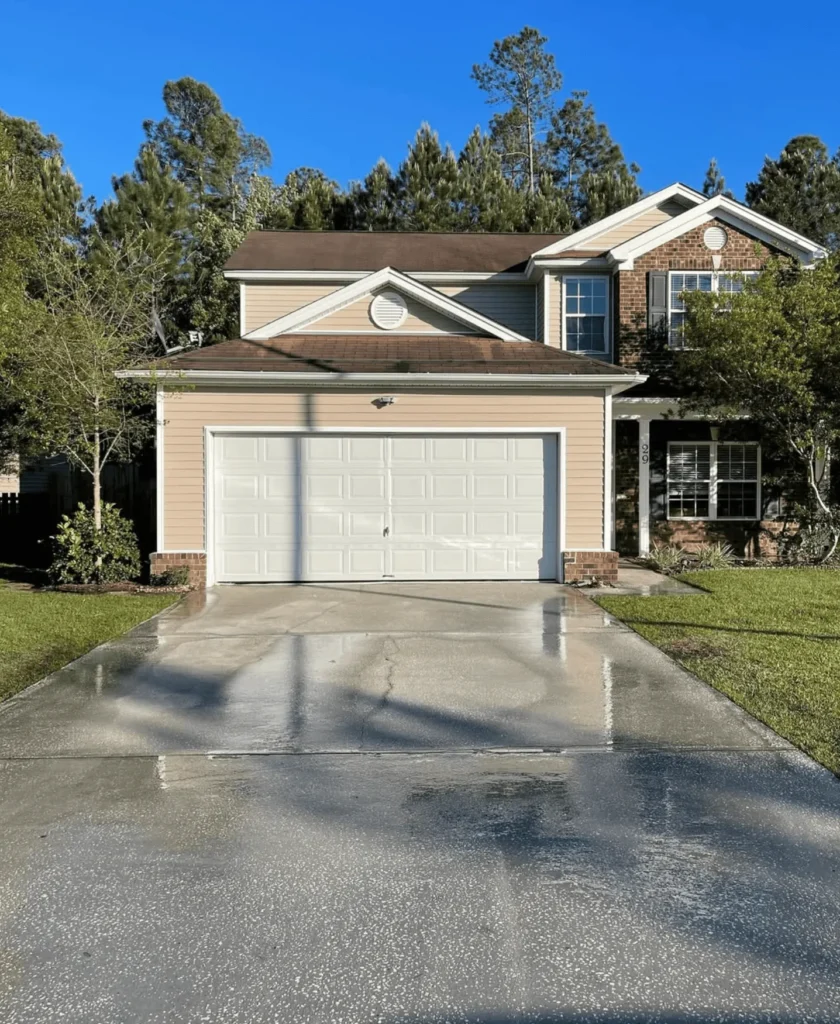
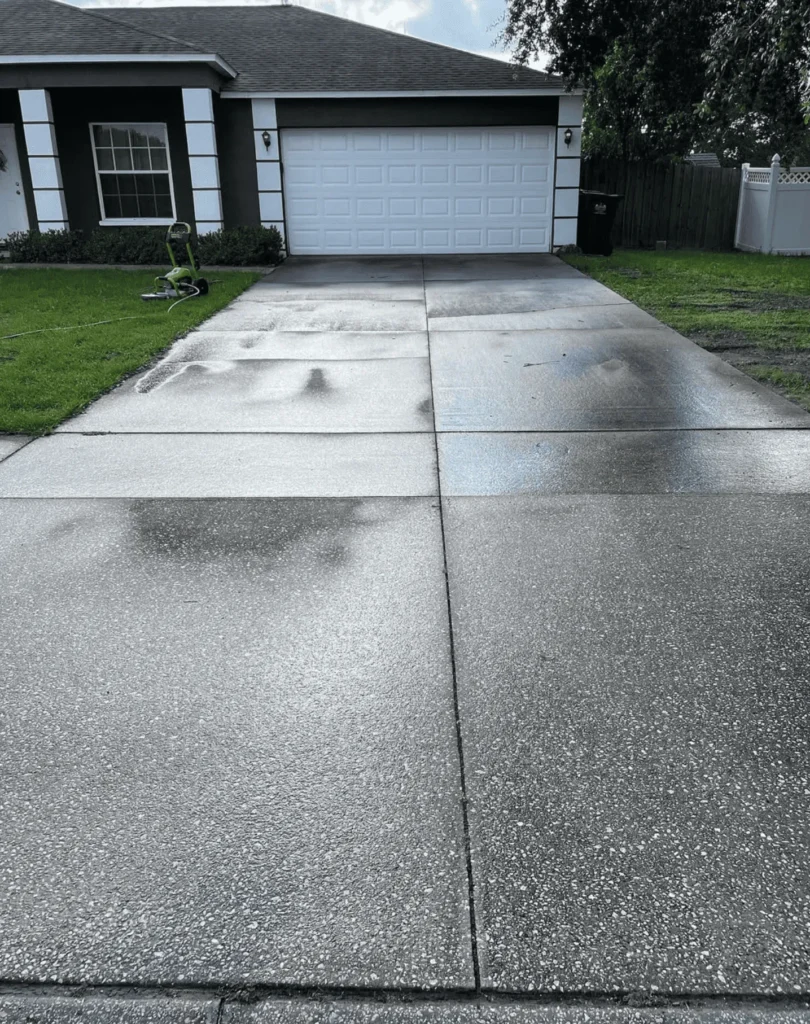
Concrete surfaces like driveways, walkways and patios are more durable and can handle higher pressure settings than more delicate surfaces. Here’s how to pressure wash concrete safely:
- Set the PSI to 2500-3000 for tough stains like grease or oil.
- Use a 15-degree nozzle or a rotary surface cleaner to get rid of stubborn stains and cover more area.
- For deep cleaning, use hot water to break down oil stains and built-up dirt.
When cleaning large areas of concrete make sure to maintain consistent pressure and don’t let the water sit in one spot for too long to avoid etching the surface.
How to Clean Roofs with Pressure Washers Safely
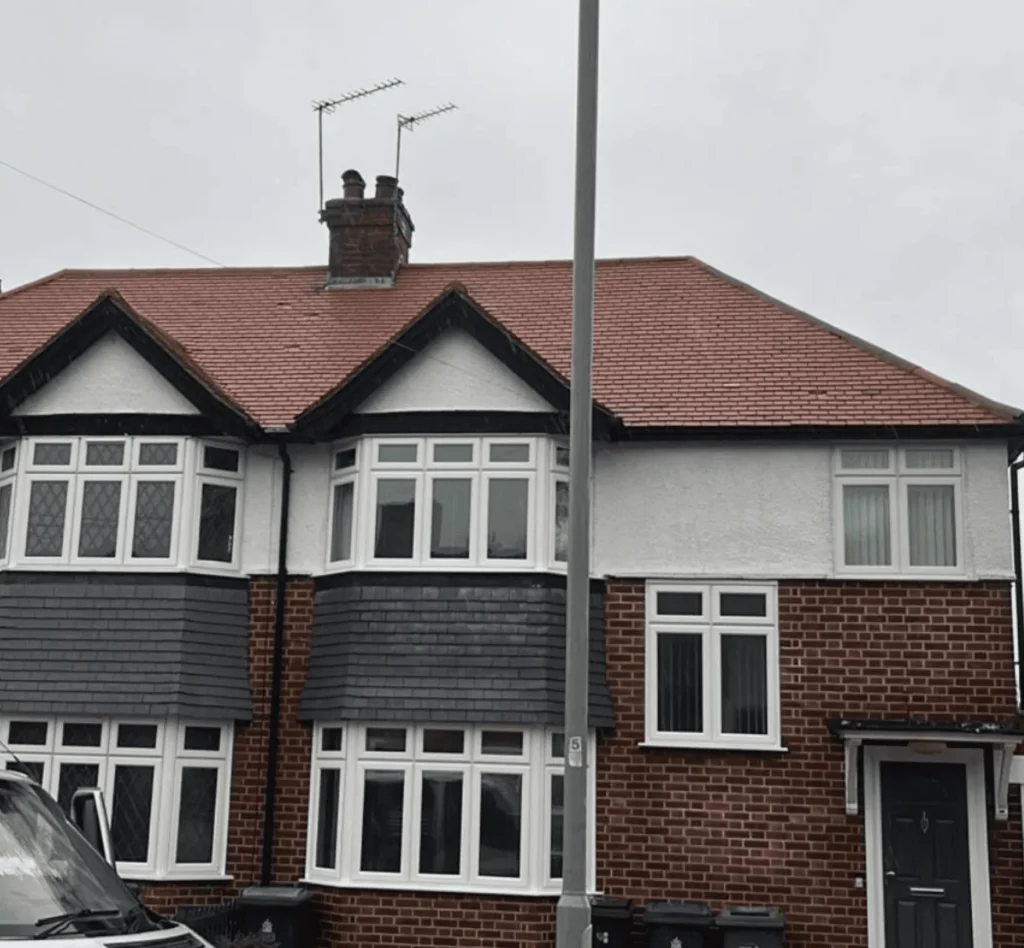
Roofs especially asphalt shingle roofs need special care. Pressure washers can strip away the protective granules on shingles and cause leaks and reduce lifespan. Soft washing a method that uses lower pressure and a cleaning solution is recommended for roofs.
Asphalt Shingles
- Don’t use high-pressure water on asphalt shingles.
- Use soft washing or hire a professional pressure washing service that specializes in roof cleaning.
- For metal or tile roofs, 1000-1500 PSI is usually safe.
Safety Precautions for Pressure Washing
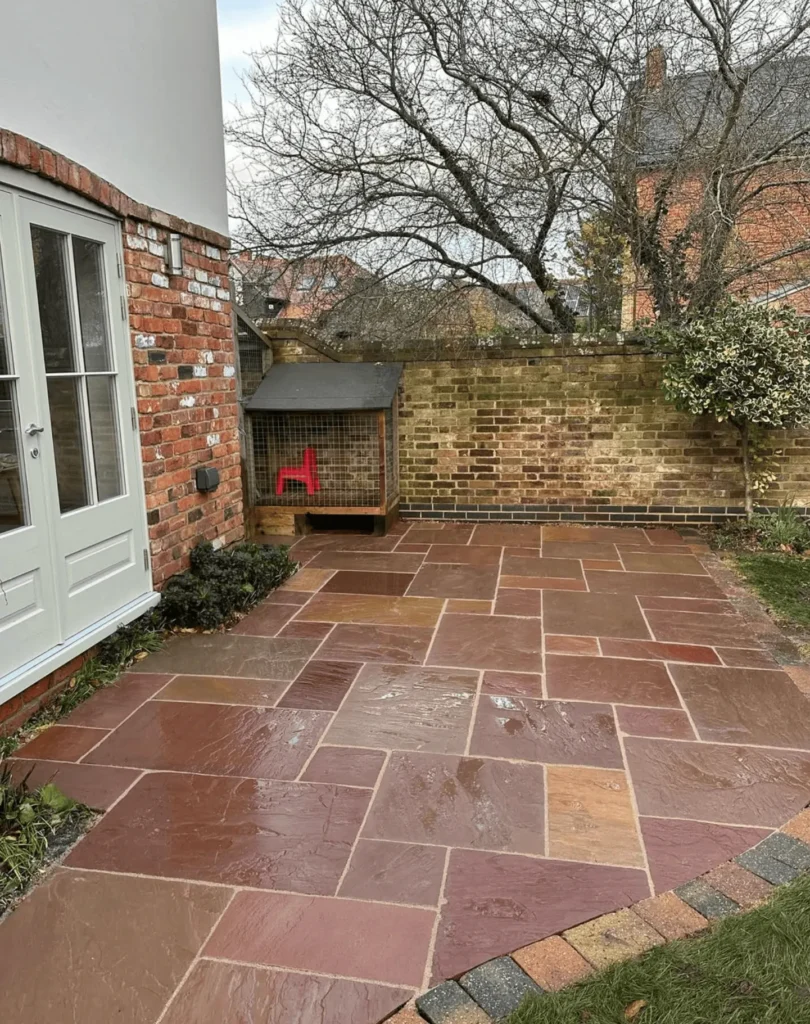
Pressure washers are powerful, so safety should always be a priority. Here are some safety rules to follow:
- Always wear protective gear, safety glasses, gloves and closed-toe shoes.
- Don’t pressure wash near electrical outlets or power lines. Be cautious around outdoor outlets and extension cords.
- Be mindful of flower beds and other delicate items around the house.
- Use extension wands for hard-to-reach areas instead of climbing on ladders or makeshift stilts.
- If you’re not sure about handling high pressure, hire a professional pressure cleaning service.
When to Hire Professional Pressure Washing Services
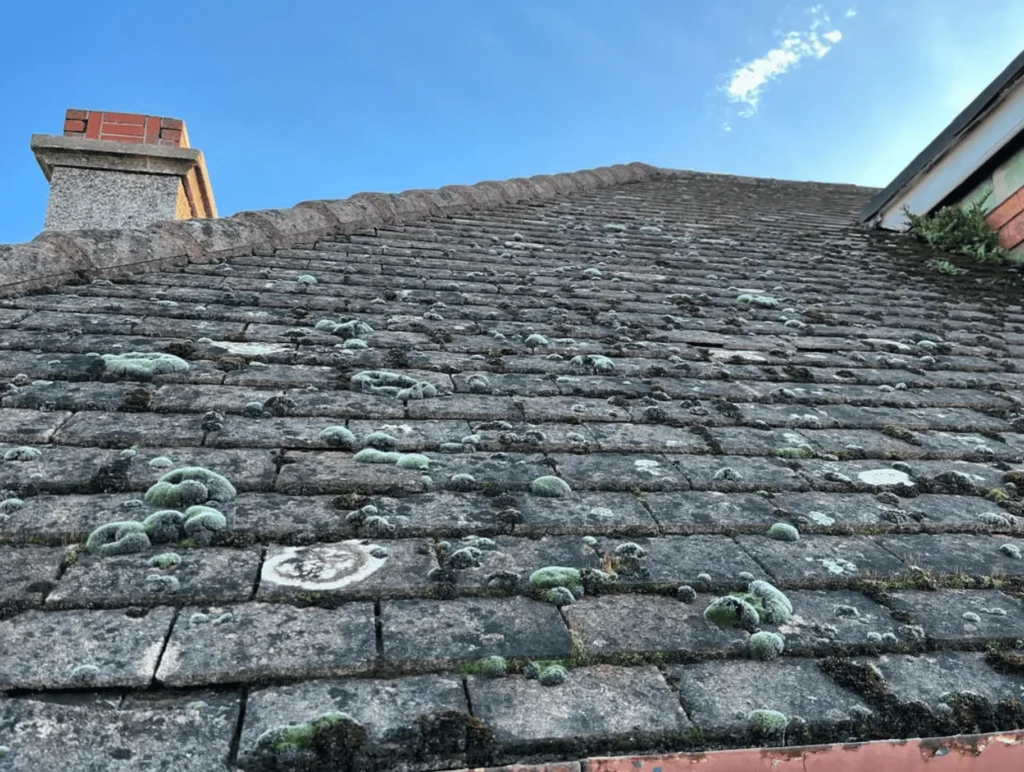
In some cases it’s best to leave pressure washing to the pros especially for asphalt shingles, large commercial buildings or delicate surfaces. Professional pressure washing companies have the equipment and experience to not damage your home’s exterior.
Some benefits of hiring a professional pressure washing service:
- Avoid damaging delicate surfaces.
- Efficient cleaning for large areas or complex jobs.
- Knows the right pressure and cleaning solution for different materials.
FAQ
What PSI should I use for different surfaces?
PSI varies by material:
- Vinyl siding: 1300-1600
- Brick: 500-1000
- Wood siding: 500-800
- Concrete: 2500-3000
- Outdoor furniture: 500-1000
Can I pressure wash delicate surfaces?
Yes, pressure washing can damage surfaces if not used properly, especially on wood, vinyl or asphalt shingles. Use the right pressure and nozzle tips for delicate surfaces.
Can I pressure wash my roof?
Don’t pressure wash asphalt shingle roofs, the high pressure water can strip the protective granules. Soft washing or hiring a professional pressure washing service is the safer way to clean your roof.
How often should I pressure wash my house exterior?
Most houses need to be pressure washed once a year to remove built up dirt, mildew and grime. In high humidity or coastal areas, more frequent cleaning may be needed to prevent mold growth.
When should I hire a pressure washing service?
If you’re not sure how to pressure wash surfaces like roofs or delicate exteriors or you’re doing a big project like a commercial building, hire a professional.